Recommendations for Coloring Mandalas: Immersion in the World of Colors and Harmony
Mandalas are an ancient art form that finds inspiration in various cultures and religions worldwide. These circular geometric patterns are often associated with meditation, inner peace, and creativity. In the modern world, mandalas have gained a new format thanks to online coloring pages, giving everyone the opportunity to bring their ideas to life and enjoy the coloring process.
Coloring mandalas is not only an interesting hobby but also a powerful tool for relaxation and meditation. Below are some recommendations for existing techniques that will help you unleash your artistic talents and become a great activity for any age.
Variety of Color Schemes in Mandala Coloring
Mandalas offer a great opportunity to play with colors and generate different emotional and aesthetic impressions. The choice of the number of color tones when coloring a mandala can significantly affect the overall perception of the artwork.
Let's explore the features of using monochromatic, two-color, three-color, and multi-color schemes.
Monochromatic Mandalas: Simplicity and Calmness
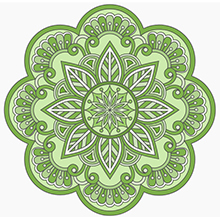
Monochromatic mandalas create a particularly calm and balanced atmosphere. Using different shades of one color helps to emphasize both geometric shapes and their structure and symmetry.
The monotony of homogeneous tones can create an impression of unity and harmony, making it ideal for meditative perception.
In the monochromatic space created, you can delve deeper into the captivating flow of your thoughts and feel the peace emanating from the simplicity and unity of each shade.
This is a great choice for those who prefer minimalism and want to emphasize the power of form.
Two-Color Mandalas: Balance and Contrast
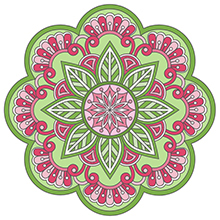
Combining two contrasting colors can create visual balance and interesting contrast. This technique allows highlighting certain elements or sections, adding depth and dynamism.
By combining, for example, warm and cool shades, you can create an impression of movement and balance. This method of mandala coloring emphasizes the contrasts between different sections of patterns and elements, adding visual appeal and interest to the geometric structure and composition of the artwork.
The two-color scheme is suitable for those looking for more expressive and saturated options, allowing them to bring their ideas to life through impressive and colorful combinations of ornament details.
Three-Color Mandalas: Aesthetics and Harmony
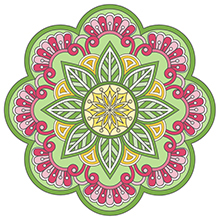
Three-color mandalas are a successful compromise between the minimalism of a single-color approach and the contrasts of a two-color option. By choosing three colors, the artist builds a balanced and harmonious palette while maintaining simplicity.
This style allows highlighting specific sections of the ornament, emphasizing their shapes, and at the same time adding interesting visual contrast to the image.
An example of an algorithm for implementing this technique:
- Determine the main color, which will occupy most of the mandala and reflect your mood or the theme you want to convey.
- Select two contrasting shades that stand out distinctly against the main color. These colors can be evenly distributed or used to highlight key geometric figures.
- Use smooth transitions between the details of the drawing to achieve the perfect visual effect. This can be especially effective when coloring circular mandalas, where the elements of the ornament smoothly change one another.
Multi-Color Mandalas: Brightness and Energy
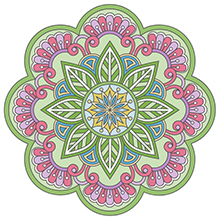
Using a variety of colors in the creative process will add brightness and vitality to the final result, plus it allows the artist to express maximum creativity. Multi-color techniques are often associated with rainbows and positive emotions.
This approach can be especially effective for creating cheerful and inspiring mandalas that can uplift the mood and stimulate the imagination.
One good method of achieving multicolor is to use color tones that have the same brightness and saturation.
From the Center to Outer Patterns: Secrets of Coloring Mandalas
Choosing a Color Palette:
Before you start coloring a mandala, it is recommended to determine the desired color scheme. Our online coloring pages site provides the ability to use a wide range of colors, allowing you to experiment with shades and create your unique combinations.
Our suggested palette allows you to use calm pastel tones to create a soothing effect or bright and saturated solutions to express inner energy.
Mandala symbols represent harmony and balance from the very beginning, so choosing calm and balanced tones is a good option. Soft shades of blue, green, and purple are ideal for creating a tranquil atmosphere.
Start from the center:
Many designs have intricate patterns arranged around a central point. Start implementing your ideas from the center of the mandala and gradually move to the outer details.
This will allow you to better control the color scheme and create harmonious transitions between shades.
Maintain balance:
One of the key features of such geometric designs is balance and symmetry. While coloring, try to maintain this balance to keep the symmetrical harmony of the patterns.
If necessary, use mirror reflections of colors to fully control the symmetry of all elements.
Smooth and contrasting transitions:
Using contrast is a great way to add depth and volume to your mandala. Smooth transitions between shades of the same color will add a sense of smoothness and calm.
Experiment with different color combinations and transitions to find the style you like best. Give your creativity a unique and distinctive look!
Experiments and Individuality
Coloring mandalas is not only a creative activity but also a way to enjoy the moment and improve your inner balance. Online coloring pages provide a convenient platform for this art, making it accessible to everyone.
Dive into the world of colors, geometry, and creativity! Realize your personal ideas, filling them with beauty and harmony!
Importantly, there are no specific rules for coloring mandalas. Everyone can create individual color combinations according to their own taste and preferences. Experiment with the brightness and saturation of shades, creating unique color combinations, and enjoy the creative process.
Choose colors according to your mood and inspiration!
Animated-coloring.com offers original interactive online coloring pages with animation and sound effects for children of all ages and adults.
Our animated coloring pages feature a high level of interactivity, making them unique among static coloring images.
The uniqueness of our coloring pages lies in the fact that animation, sound effects, and storyline development can depend on the color chosen by the user.
Our goal is to make the coloring process dynamic and engaging for all ages.
Start coloring right now and immerse yourself in the world of exciting adventures!
All rights reserved.
The page address has been successfully copied